What happened
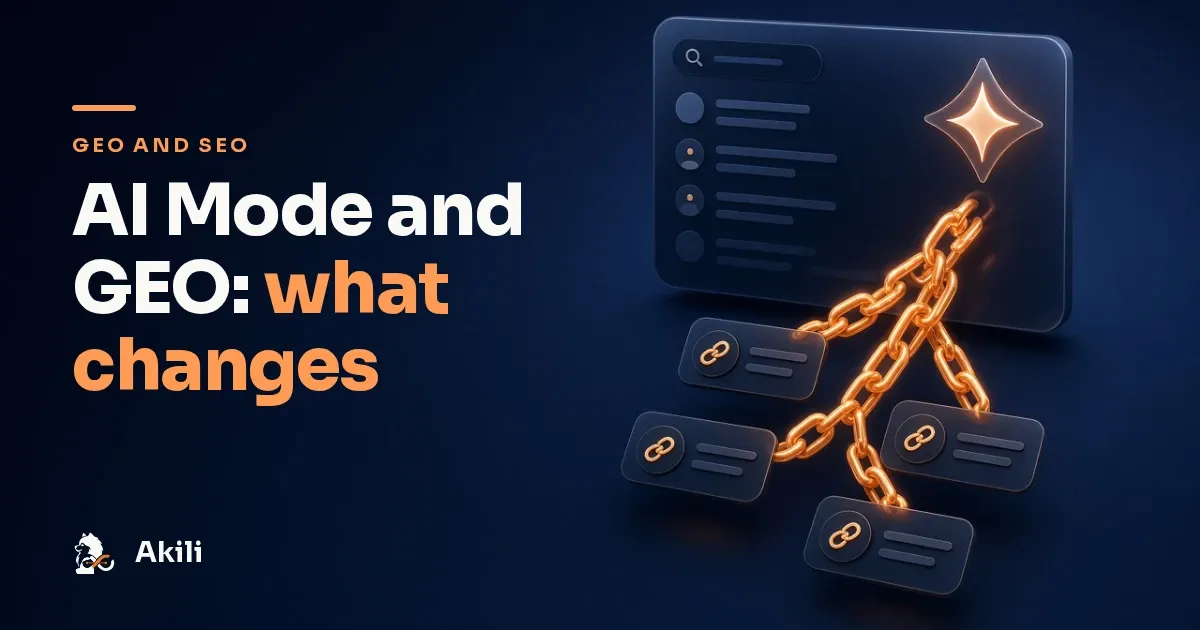
On October 15, 2026, Google published a set of changes to its AI search experiences, AI Mode and AI Overviews. The announcement is signed by Hema Budaraju, VP of Product Management. There are five changes:
- More inline links. Links embedded in words or phrases of the answer will appear higher up and more often.
- Official sites highlighted. Google is testing a section at the top of the answer with the official sites for a specific task, with context about why each link is useful.
- News carousels in more places. Carousels of timely articles are starting to reach more locations and languages. The announcement does not say which.
- More visible related links. The links at the end of some answers will get image thumbnails and a more clickable design.
- Creator profiles. In testing, creator and publisher names on video results link to their Search profiles.
Google also said the number of people who use its Preferred Sources feature has grown by more than 7x since the start of the year.
Why it matters
AI answers have become a major gateway to information. Every time Google decides which links to show inside those answers, it also decides which sites get visits.
This announcement points in a clear direction: more links, more visible, with more context about the source. That rewards sites that are easy to cite. A site with clear answers, verifiable data and visible authorship has a better chance of appearing as a link inside an answer than one with generic copy.
The official-sites section deserves separate attention. If your company is the official source for something (your prices, your hours, your buying process, your services), your site should say so explicitly and make it easy to find.
What a company can do
This is what we recommend reviewing on a company website:
- Short answers up front. Every important page should answer, in two or three lines, the main question it solves before going into detail.
- Visible authorship and dates. Who writes, when it was published and when it was updated. It helps people and the systems that evaluate sources.
- Correct structured data. Organization, services, articles and FAQs marked up with schema.org, without errors.
- Cited sources. If content uses figures, link to the origin. A site that cites well is easier to cite.
- Clear official pages. For each task that can only be completed with your company (hiring, requesting a quote, getting in touch), a single page, well titled and linked from the menu.
Our take
Search positioning is no longer only about appearing in the list of results. It is also about being the source the AI links to when it answers. These Google changes make that source more visible, and that favors companies with their own clear, verifiable content. It is the work we call GEO, and it starts with putting the house in order: what your site says, how it says it and who stands behind it.
Sources
Data and quotes in this analysis, linked to the original source.
- More ways to connect with the web from Search · Google (The Keyword), Oct 15, 2026
Related service
SEO and GEO
If this topic applies to your company, this is the Akili service that covers it.
See the service
About the author
CTO and Co-founder of Akili
Leads architecture, software and AI delivery at Akili.
More on GEO and SEO
How to get your company to appear in ChatGPT and in AI answers
What a company can do to appear in ChatGPT and in Google's AI answers: crawlers, citable content, structured data and sources.
Juan Carlos Cadavid RuizRead the analysis
This analysis follows our editorial policy.